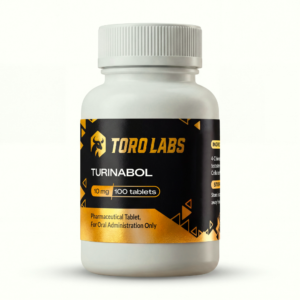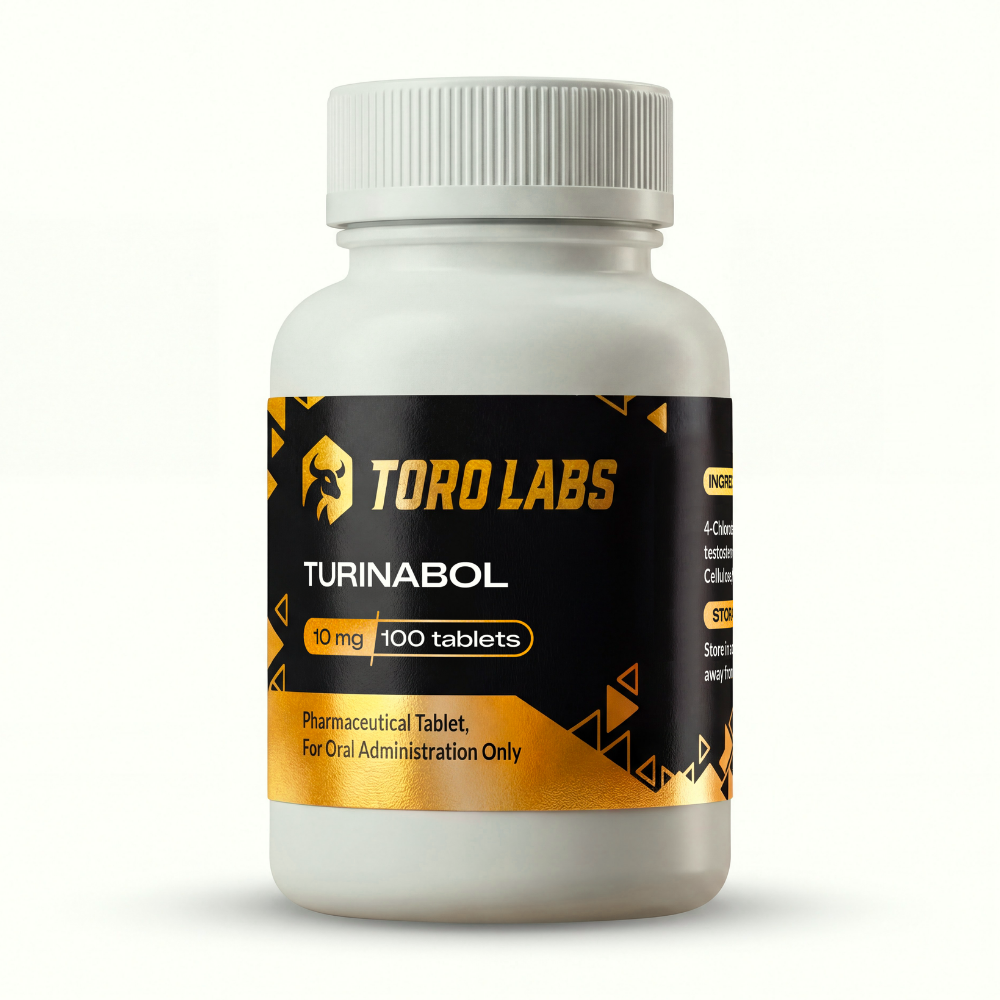
Turinabol (Chlorodehydromethyltestosterone) 10mg Tablets – Educational Overview
Introduction
Turinabol (Chlorodehydromethyltestosterone) 10mg, scientifically known as chlorodehydromethyltestosterone, is a synthetic anabolic-androgenic steroid (AAS) that has been widely discussed in sports science, endocrinology, pharmacology, and performance-enhancement research. Developed during the twentieth century, Turinabol became known for its unique chemical structure and its historical association with athletic performance programs.
Today, Turinabol remains a subject of interest for researchers, educators, historians, and healthcare professionals studying the effects of anabolic steroids on human physiology. This article provides an educational overview of Turinabol, its history, pharmacological characteristics, scientific significance, and potential health considerations.
This information is provided for educational purposes only.
What Is Turinabol?
Turinabol is a synthetic derivative of testosterone designed to modify anabolic and androgenic activity. It combines structural characteristics from several hormone-related compounds, creating a unique anabolic steroid with distinct pharmacological properties.
Unlike naturally occurring testosterone, Turinabol was specifically engineered to alter how the body responds to androgenic and anabolic signaling. Researchers often study compounds like Turinabol to better understand hormone interactions, receptor activity, and muscle metabolism.
As an orally administered anabolic steroid, Turinabol became notable within both scientific literature and sports history due to its widespread use during certain periods of the twentieth century.
Historical Background
Turinabol was first developed in East Germany during the 1960s. It gained historical significance because of its connection to state-sponsored athletic programs that sought to improve sports performance.
The compound became widely recognized after investigations into historical doping practices revealed its extensive use among athletes. These findings contributed to important discussions surrounding sports ethics, athlete health, and anti-doping regulations.
Today, Turinabol is frequently referenced in educational resources examining the history of performance-enhancing substances and the evolution of modern anti-doping policies.
Chemical Characteristics
Researchers studying anabolic steroids often examine Turinabol because of its unique molecular structure. The compound was modified to create specific anabolic properties while altering certain androgenic effects.
Scientific investigations have focused on:
- Molecular structure
- Hormone receptor interactions
- Pharmacokinetics
- Metabolic pathways
- Biological activity
- Endocrine system effects
Understanding these characteristics helps researchers gain insight into how synthetic hormone derivatives interact with biological systems.
Mechanism of Action
Like other anabolic steroids, Turinabol primarily exerts its effects through interaction with androgen receptors located throughout the body.
Researchers studying hormone-related compounds have observed that anabolic steroids may influence:
- Protein synthesis
- Nitrogen retention
- Muscle tissue metabolism
- Cellular growth processes
- Hormonal signaling pathways
- Recovery-related physiological mechanisms
These biological activities explain why anabolic steroids have historically attracted attention within sports science and exercise physiology research.
The precise effects of hormone-related compounds depend on numerous factors, including dosage, duration, individual physiology, and other biological variables.
Scientific and Research Interest
Turinabol continues to be examined within scientific and educational settings because it provides valuable insight into several important research areas.
Researchers may study Turinabol in relation to:
- Endocrinology
- Exercise science
- Hormone receptor biology
- Muscle physiology
- Metabolic adaptation
- Sports medicine
- Pharmaceutical development
By analyzing compounds such as Turinabol, scientists can better understand how synthetic hormones influence biological systems and contribute to broader knowledge within medical and pharmaceutical research.
Turinabol and Sports
One of the most widely discussed aspects of Turinabol is its historical connection to competitive athletics. Due to its performance-enhancing potential, the compound became associated with organized sports programs during specific periods of history.
As scientific understanding of anabolic steroids expanded, sporting organizations implemented increasingly strict regulations regarding performance-enhancing substances.
Today, Turinabol is prohibited by major sports governing bodies and anti-doping organizations worldwide. It is included on lists of banned substances maintained by various athletic authorities.
Educational discussions about Turinabol frequently address topics such as:
- Fair competition
- Sports integrity
- Athlete health
- Anti-doping regulations
- Performance-enhancement ethics
These discussions continue to influence modern sports policies and athlete education programs.
Potential Health Risks
Scientific literature examining anabolic steroids consistently emphasizes the importance of understanding potential health risks.
Potential concerns associated with anabolic steroid exposure may include:
- Hormonal imbalances
- Liver-related complications
- Cardiovascular effects
- Blood pressure changes
- Cholesterol alterations
- Endocrine disruption
- Mood and behavioral changes
- Reproductive system effects
Researchers and healthcare professionals continue investigating the long-term implications of anabolic steroid exposure and the mechanisms underlying associated health concerns.
Educational resources encourage careful consideration of these risks when discussing hormone-related compounds.
Regulatory Status
The legal status of Turinabol varies depending on jurisdiction. In many countries, anabolic steroids are regulated substances subject to specific legal controls.
Researchers, healthcare professionals, educators, and students should remain aware of applicable regulations governing hormone-related compounds within their respective regions.
Because laws differ internationally, official regulatory guidance should always be consulted for the most accurate and up-to-date information.
Modern Scientific Perspective
Modern research increasingly focuses on understanding hormone signaling pathways, receptor biology, and the safe development of therapeutic compounds.
Historical compounds such as Turinabol provide researchers with valuable information regarding:
- Steroid pharmacology
- Hormone receptor interactions
- Drug development history
- Exercise physiology
- Endocrine system regulation
These areas of study continue to contribute to advancements in medicine, healthcare, and biological sciences.
Conclusion
Turinabol (chlorodehydromethyltestosterone) remains a significant compound within the history of sports science, endocrinology, and pharmaceutical research. Its development, historical use, and subsequent role in discussions surrounding anti-doping policies have made it an important subject of educational and scientific interest.
By studying compounds such as Turinabol, researchers gain a deeper understanding of hormone-related mechanisms, anabolic steroid pharmacology, and the complex interactions between synthetic substances and human physiology.
As scientific knowledge continues to advance, educational discussions surrounding anabolic steroids remain important for promoting informed understanding, responsible research, and evidence-based decision-making.
Turinabol (Chlorodehydromethyltestosterone) 10mg Turinabol (Chlorodehydromethyltestosterone) 10mg Turinabol (Chlorodehydromethyltestosterone) 10mg Turinabol (Chlorodehydromethyltestosterone) 10mg Turinabol (Chlorodehydromethyltestosterone) 10mg Turinabol (Chlorodehydromethyltestosterone) 10mg Turinabol (Chlorodehydromethyltestosterone) 10mg Turinabol (Chlorodehydromethyltestosterone) 10mg
This content is provided for educational and informational purposes only and does not promote or encourage the use of anabolic steroids.