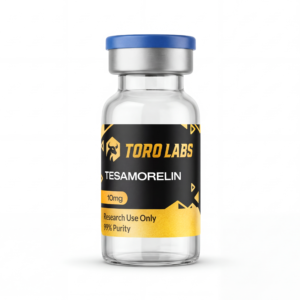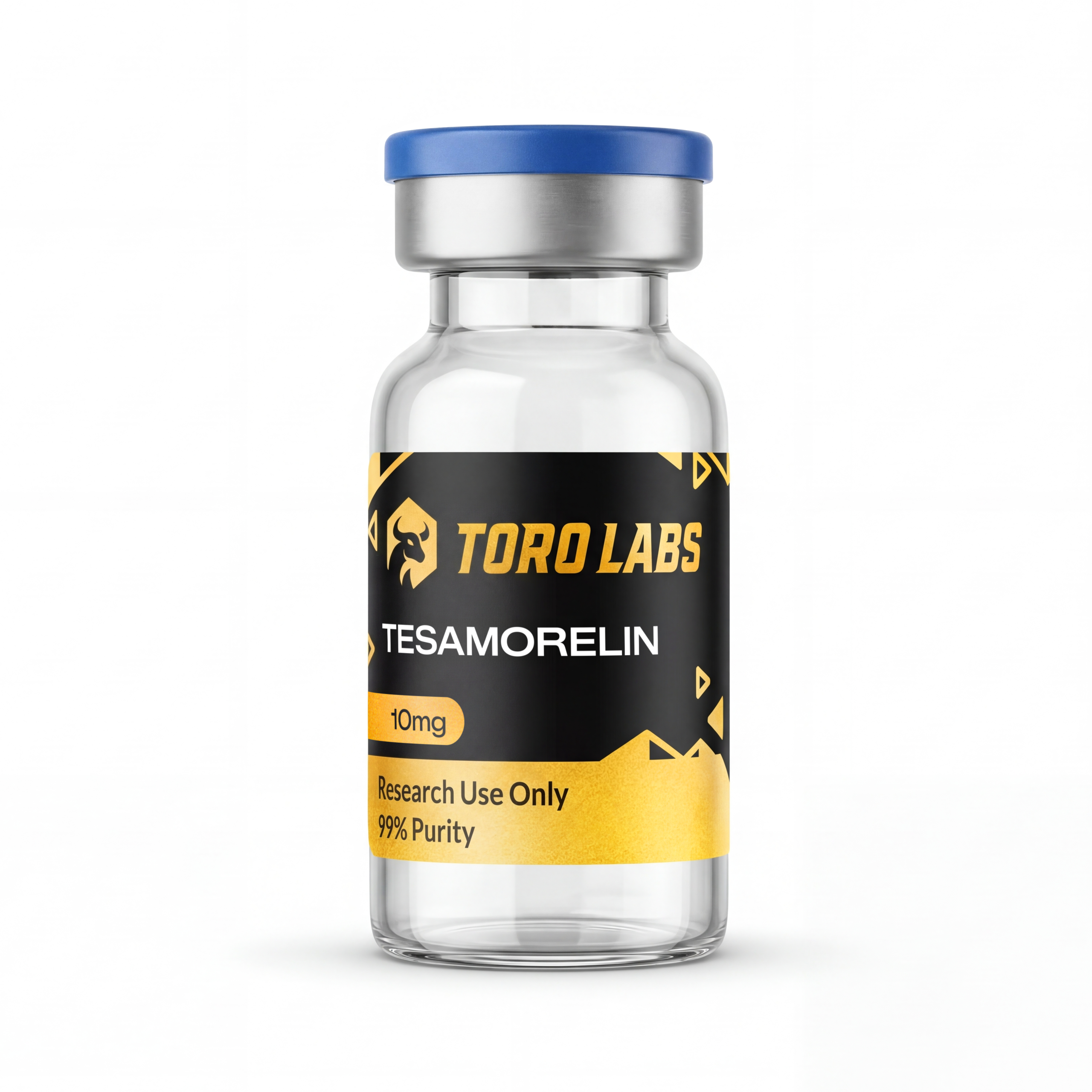
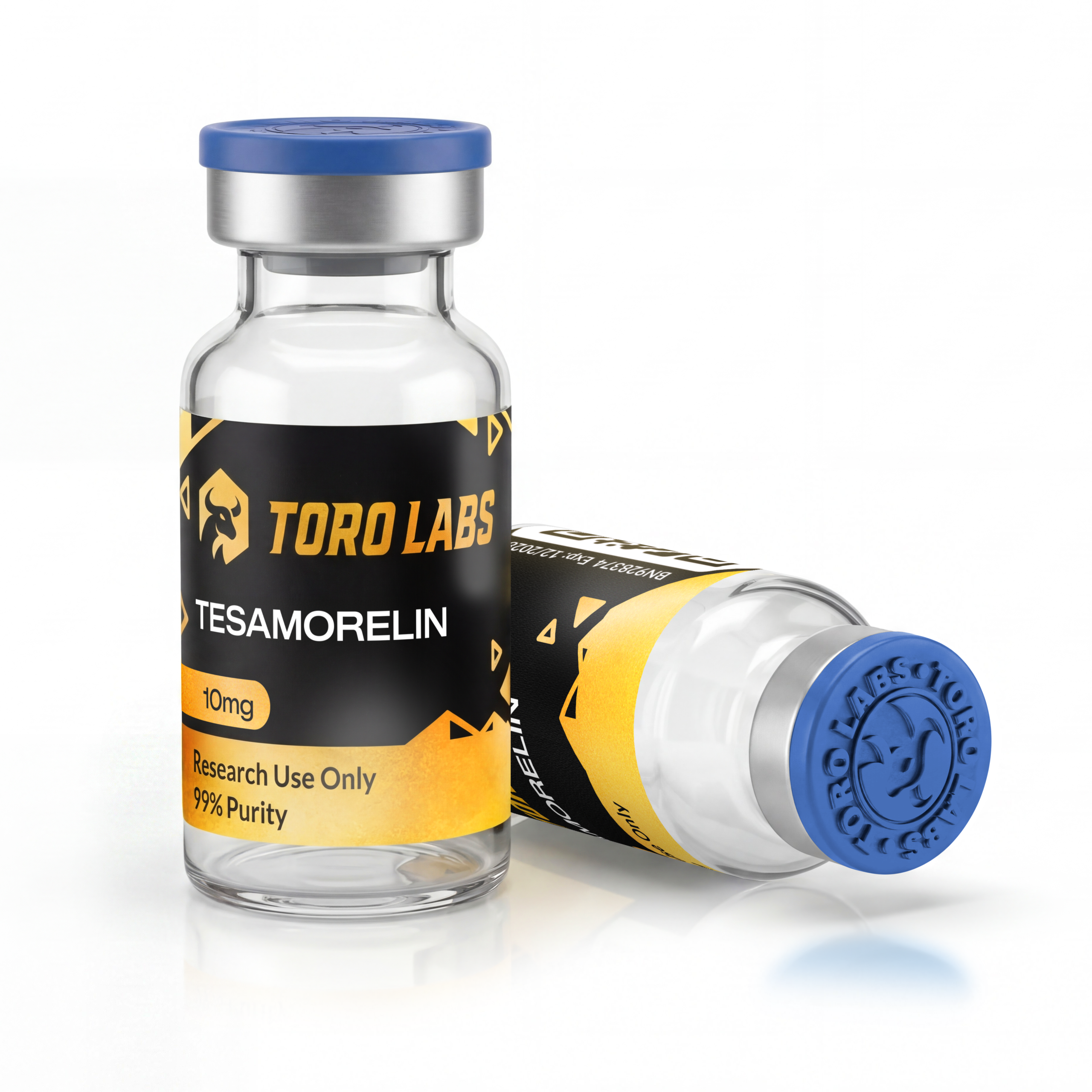
Tesamorelin 10mg – Comprehensive Information Guide
What Is Tesamorelin?
Tesamorelin 10mg is a synthetic peptide that acts as an analog of growth hormone-releasing hormone (GHRH). It has been developed and studied in clinical and research environments to better understand the regulation of growth hormone secretion and its downstream biological effects.
In research contexts, Tesamorelin 10mg is primarily used to investigate endocrine system function, particularly the signaling pathways that control the release of growth hormone from the pituitary gland. Because of its structural similarity to natural GHRH but enhanced stability, it is often used as a model compound in peptide and hormone research.
Tesamorelin is not broadly approved for general medical use in all countries and is typically regulated depending on jurisdiction. It is generally handled in controlled environments for research purposes.
Chemical and Functional Overview
Tesamorelin 10mg is a modified form of human growth hormone-releasing hormone (GHRH). The modification improves its resistance to enzymatic breakdown, allowing it to remain active longer in experimental systems compared to native GHRH.
Its primary mechanism involves interaction with GHRH receptors located in the anterior pituitary gland. This receptor binding is central to its role in stimulating endogenous growth hormone release in research models.
Key characteristics studied in laboratory settings include:
- Peptide stability compared to endogenous GHRH
- Receptor binding affinity and selectivity
- Duration of signaling activity
- Downstream hormonal cascade effects
These properties make Tesamorelin a valuable tool in endocrine and metabolic research.
Mechanism of Action
Tesamorelin works by binding to growth hormone-releasing hormone receptors (GHRH-R) located on pituitary somatotroph cells. This binding initiates intracellular signaling cascades that ultimately promote the secretion of growth hormone.
In experimental research models, this process is used to evaluate:
- Hormone release dynamics
- Feedback regulation within the hypothalamic-pituitary axis
- Interaction between endocrine hormones
- Signal amplification pathways
Growth hormone released as a result of receptor activation can then influence a variety of secondary biological systems, making Tesamorelin useful for studying broader physiological networks.
Research Applications of Tesamorelin
Tesamorelin is primarily used in laboratory and scientific research rather than routine clinical practice in many regions.
Endocrine Research
Researchers use Tesamorelin to study the regulation of growth hormone secretion and pituitary gland responsiveness. This helps improve understanding of hormonal feedback loops and endocrine balance.
Metabolic Studies
Tesamorelin is also investigated in metabolic research models, particularly in relation to lipid metabolism, energy balance, and hormone-driven metabolic regulation.
Aging and Cellular Research Models
In experimental frameworks, Tesamorelin is sometimes used to explore how growth hormone pathways influence cellular maintenance, tissue function, and age-related biological changes.
Peptide Pharmacology
Researchers study Tesamorelin to better understand peptide stability, receptor activation patterns, and pharmacokinetic behavior of synthetic GHRH analogs.
Importance in Scientific Research
Tesamorelin is considered valuable in research due to its improved stability compared to natural GHRH. This allows scientists to observe longer and more consistent receptor activation in experimental systems.
Key scientific interests include:
- Duration of endocrine signaling
- Differences between synthetic and natural GHRH
- Dose-response relationships in controlled models
- Hormonal cascade effects in biological systems
These factors make it useful in studies exploring hormone regulation and peptide-based signaling mechanisms.
Safety and Regulatory Status
Tesamorelin is a biologically active compound that is subject to regulatory controls in many countries. Its legal status depends on local pharmaceutical and research regulations.
Important considerations include:
- It may be restricted to prescription or research use only depending on jurisdiction
- It is not approved for unsupervised general use
- It must be handled in compliance with laboratory safety standards
- Ethical and legal guidelines must be followed in all research contexts
Researchers working with Tesamorelin are expected to comply with institutional review requirements and applicable laws.
Potential Effects in Research Contexts
In scientific literature, compounds that activate growth hormone pathways are studied for their downstream biological effects. Tesamorelin, through its mechanism of increasing growth hormone secretion in research models, may be associated with observations such as:
- Changes in metabolic markers
- Alterations in lipid processing pathways
- Modulation of endocrine signaling activity
- Effects on tissue-level biological responses
These effects are context-dependent and vary based on experimental design, model systems, and research conditions.
Storage and Handling
Proper storage is essential for maintaining peptide stability in laboratory environments.
Recommended practices include:
- Store in a cool, dry environment
- Avoid exposure to heat and direct sunlight
- Keep sealed when not in use
- Follow laboratory-grade handling procedures
- Use sterile equipment when required
- Maintain appropriate refrigeration if specified by manufacturer guidelines
Correct storage helps ensure consistency and reliability in research outcomes.
Frequently Asked Questions
What is Tesamorelin used for in research?
It is used to study growth hormone-releasing hormone pathways, endocrine signaling, and pituitary gland function in controlled laboratory settings.
Is Tesamorelin a medication?
In some jurisdictions it has limited approved clinical use, but in many contexts it is primarily used as a research compound.
How does Tesamorelin differ from natural GHRH?
Tesamorelin is structurally modified to increase stability and prolong activity compared to endogenous GHRH.
Why is Tesamorelin studied?
It helps researchers better understand hormone regulation, metabolic processes, and peptide signaling systems.
Responsible Use Notice
Tesamorelin is a research peptide and should only be used in accordance with applicable laws, institutional guidelines, and laboratory safety protocols. It is not intended for unsupervised use or self-administration.
This content is provided strictly for educational and informational purposes and does not constitute medical advice, diagnosis, or treatment.
Tesamorelin 10mg Tesamorelin 10mg Tesamorelin 10mg Tesamorelin 10mg Tesamorelin 10mg Tesamorelin 10mg