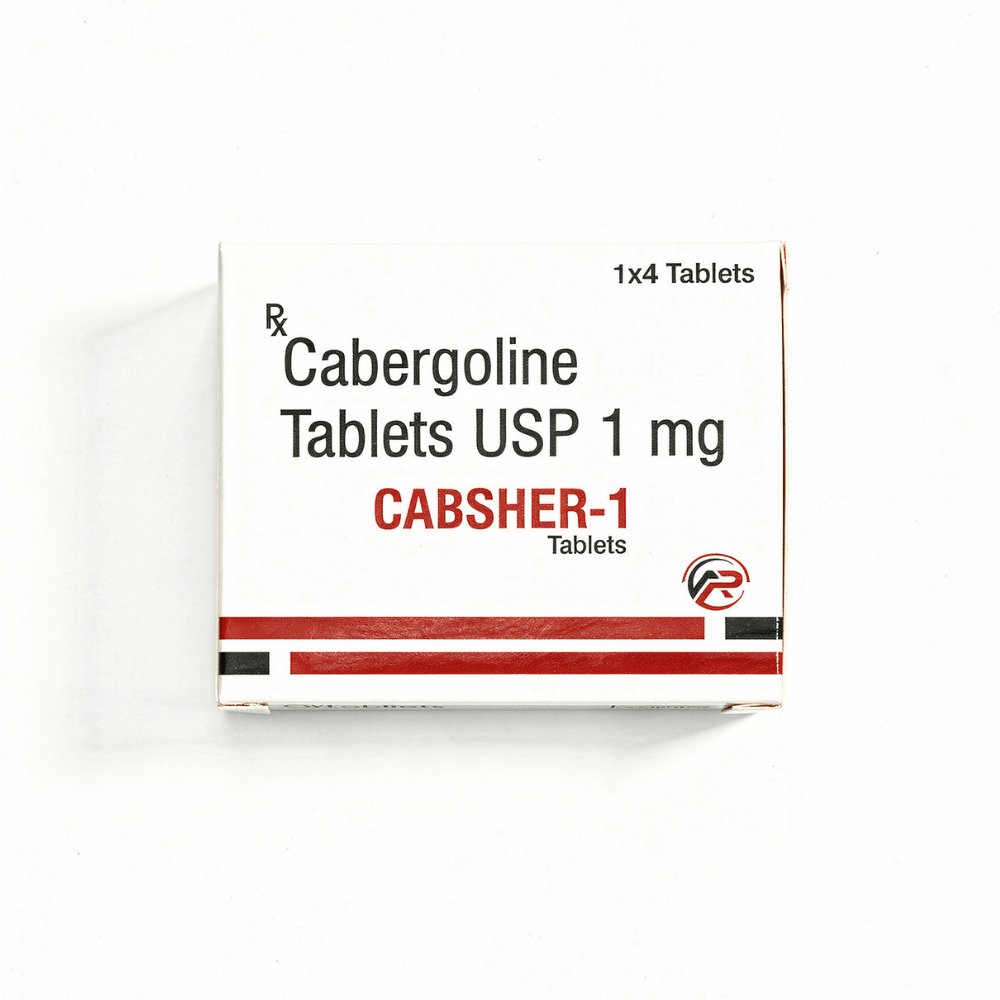
Cabergoline 1mg (40 Tablets) – Uses, Benefits, Dosage & Safety Information
What Is Cabergoline?
Cabergoline 1mg is a prescription medication that belongs to a class of drugs known as dopamine receptor agonists. It is primarily used in clinical medicine to help regulate levels of a hormone called prolactin, which is produced by the pituitary gland.
Cabergoline 1mg tablets are typically prescribed by healthcare professionals for specific endocrine-related conditions where prolactin levels are higher than normal. Because it is a potent medication that acts on the nervous and hormonal systems, it should only be used under strict medical supervision.
In the UK, Cabergoline is classified as a prescription-only medicine, meaning it must be prescribed by a qualified healthcare provider following proper diagnosis.
How Cabergoline Works
Cabergoline works by stimulating dopamine receptors in the brain, particularly the D2 receptors. Dopamine plays an important role in controlling prolactin secretion.
By activating these receptors, Cabergoline helps:
- Reduce prolactin production from the pituitary gland
- Restore hormonal balance in the endocrine system
- Support regulation of reproductive hormone function
Because of this mechanism, Cabergoline is considered highly effective in conditions linked to prolactin imbalance.
Medical Uses of Cabergoline 1mg
Cabergoline is prescribed for several clinically recognized conditions, including:
1. Hyperprolactinemia
This is a condition where the body produces too much prolactin. Symptoms may include:
- Irregular menstrual cycles
- Fertility issues
- Unexplained breast milk production
- Hormonal imbalance symptoms
2. Pituitary Tumours (Prolactinomas)
Cabergoline is commonly used to treat benign pituitary tumours that cause excess prolactin secretion. It may help:
- Reduce tumour size
- Lower prolactin levels
- Improve hormone regulation
3. Hormonal Imbalance Conditions
In some cases, Cabergoline is used to help manage hormone-related disorders under specialist care.
Cabergoline 1mg Tablet Strength
Cabergoline 1mg tablets are considered a higher-strength formulation and are usually used in carefully controlled dosing schedules.
The exact dosage varies depending on:
- Medical condition being treated
- Patient response to therapy
- Blood prolactin levels
- Doctor’s assessment and monitoring
Patients should never adjust dosage without medical guidance.
Potential Benefits in Clinical Use
When prescribed appropriately, Cabergoline may help:
- Normalize prolactin levels
- Restore fertility in affected patients
- Improve menstrual cycle regularity
- Reduce symptoms associated with hormonal imbalance
- Support treatment of pituitary-related conditions
Its long half-life also allows for less frequent dosing compared to some other dopamine agonists.
Possible Side Effects
Like all prescription medications, Cabergoline may cause side effects in some individuals.
Common side effects may include:
- Nausea
- Headache
- Dizziness
- Fatigue
- Low blood pressure
Less common but more serious effects can include:
- Mood changes
- Heart valve-related complications (with long-term use in high doses)
- Digestive discomfort
Patients should always report any unusual symptoms to a healthcare professional immediately.
Important Safety Information
Cabergoline should only be used under medical supervision. Before starting treatment, a healthcare provider may evaluate:
- Blood pressure levels
- Heart health
- Hormone levels (especially prolactin)
- Medical history and existing conditions
Regular monitoring is often required during treatment to ensure safety and effectiveness.
Cabergoline may not be suitable for individuals with certain cardiovascular conditions or those who are pregnant unless specifically directed by a doctor.
Dosage and Administration
Cabergoline tablets are usually taken orally, with or without food, depending on the prescribing doctor’s instructions.
General considerations include:
- Taken 1–2 times per week in many treatment plans
- Dosage is gradually adjusted based on response
- Should be taken consistently as prescribed
- Blood tests are often used to monitor effectiveness
Never increase or decrease dosage without professional medical advice.
Storage Guidelines
To maintain product stability:
- Store in a cool, dry place
- Keep away from direct sunlight
- Keep out of reach of children
- Do not use after expiry date
- Follow pharmacy storage instructions
Proper storage ensures medication remains effective throughout its shelf life.
Why Medical Supervision Is Essential
Cabergoline affects hormonal and neurological pathways in the body. Because of this, it is important that treatment is supervised by a qualified healthcare professional.
Medical supervision helps ensure:
- Correct diagnosis before use
- Safe dosing adjustments
- Monitoring for side effects
- Effective treatment outcomes
- Reduced risk of complications
Self-medication is not recommended.
Conclusion
Cabergoline 1mg (40 tablets) is an important prescription medication used primarily for managing prolactin-related hormonal disorders. It is highly effective when used correctly under medical supervision and plays a key role in treating conditions such as hyperprolactinemia and prolactin-secreting pituitary tumours.
Patients should always consult a healthcare professional before starting or adjusting Cabergoline treatment to ensure safe and appropriate use.