
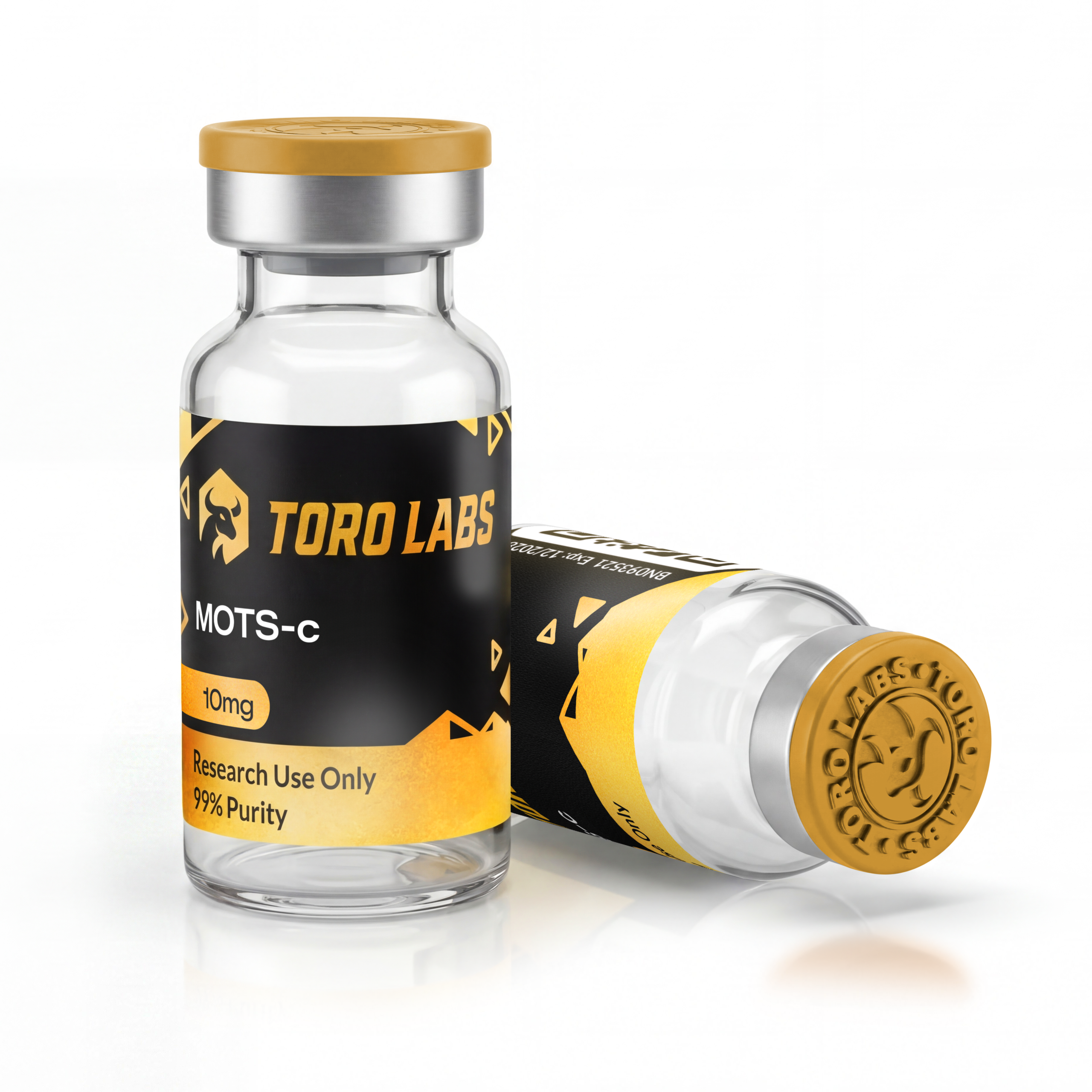
MOTs-C 10mg – Comprehensive Scientific Information Guide
What Is MOTs-C?
MOTS-c 10mg is a mitochondria-derived peptide that has gained significant attention in metabolic and cellular research. Unlike many peptides encoded in nuclear DNA, MOTs-c is encoded within mitochondrial DNA, which makes it a unique focus in modern biochemical and metabolic studies.
MOTS-c 10mg is commonly referenced in laboratory and academic research contexts where scientists investigate mitochondrial signaling, energy regulation, and cellular metabolism. Because mitochondria play a central role in energy production, peptides derived from mitochondrial DNA are of particular interest in understanding how cells respond to metabolic stress and environmental changes.
It is important to note that MOTs-c is considered a research-use-only compound in many regions and is not an approved therapeutic medication.
Scientific Background of MOTs-C
MOTS-c was first identified through research exploring mitochondrial genetics and its influence on cellular communication. Mitochondria, often referred to as the “powerhouses of the cell,” are responsible for producing ATP, the primary energy currency of biological systems.
Researchers discovered that mitochondria also encode small peptides that may play regulatory roles in metabolism. MOTs-c is one such peptide, and its discovery has expanded scientific understanding of mitochondrial-nuclear communication.
Studies have examined MOTs-c in relation to:
- Cellular energy metabolism
- Glucose regulation pathways
- Fat oxidation processes
- Mitochondrial stress response
- Metabolic adaptation mechanisms
- Insulin sensitivity models
These areas of research are particularly relevant in the study of metabolic health and age-related biological changes.
How MOTs-C Is Studied in Research
In laboratory environments, MOTs-c is typically studied using cell-based and preclinical models. Researchers aim to understand how mitochondrial peptides influence energy balance and cellular adaptation.
Cellular Energy Regulation
MOTS-c is investigated for its role in how cells manage and utilize energy under varying metabolic conditions.
Metabolic Stress Response
Scientific studies explore how MOTs-c may be involved in helping cells respond to stress factors such as nutrient deprivation or oxidative stress.
Glucose and Lipid Metabolism
Researchers examine whether MOTs-c influences pathways involved in glucose utilization and fat metabolism in controlled experimental systems.
Mitochondrial Communication
A key area of interest is how mitochondria communicate with the nucleus and other cellular components through signaling peptides like MOTs-c.
Why MOTs-C Attracts Scientific Interest
MOTS-c is considered an important research peptide because it connects two major areas of biology: mitochondrial function and systemic metabolism. This connection has made it a subject of interest in:
- Metabolic disease research models
- Cellular aging studies
- Energy homeostasis research
- Exercise physiology research (preclinical)
- Mitochondrial biology investigations
Because metabolic disorders and energy imbalance are central to many health conditions, peptides that regulate these pathways are widely studied in scientific literature.
Research-Only Classification
MOTS-c 10mg is generally classified as a research-use-only peptide. This means:
- It is not approved for medical treatment
- It is not intended for human or veterinary use
- It is used strictly in laboratory and scientific environments
- Its biological effects are still under investigation
Researchers must ensure compliance with all applicable regulations when working with experimental peptides.
Safety and Laboratory Handling
In research settings, peptides like MOTS-c are handled according to strict laboratory safety protocols. These include:
- Use of appropriate personal protective equipment (PPE)
- Controlled laboratory environments
- Avoidance of contamination during handling
- Proper labeling and documentation
- Compliance with institutional research guidelines
Proper handling ensures both scientific accuracy and laboratory safety.
Storage Guidelines
To maintain stability and integrity, MOTS-c is typically stored under controlled conditions:
- Kept in a cool, dry environment
- Protected from direct light exposure
- Stored in sealed containers
- Refrigerated where required by laboratory standards
- Kept away from contaminants and moisture
Correct storage is essential for preserving peptide structure and research reliability.
Scientific Relevance of MOTs-C
MOTS-c continues to be studied because it represents a new class of mitochondrial signaling molecules. Unlike traditional hormones or peptides produced in the nucleus, mitochondrial-derived peptides offer insight into how cellular energy systems regulate themselves internally.
This has led to growing research interest in:
- Cellular resilience and adaptation
- Energy efficiency in metabolic systems
- Age-related metabolic decline
- Mitochondrial dysfunction models
- Bioenergetics and cell signaling pathways
Although research is ongoing, MOTS-c remains an important molecule in modern mitochondrial biology studies.
Regulatory and Ethical Considerations
Because MOTS-c 10mg is an experimental compound, researchers must ensure compliance with:
- National research regulations
- Institutional biosafety guidelines
- Ethical approval processes where required
- Proper documentation of laboratory use
- Clear separation from clinical applications
These standards help maintain scientific integrity and safety in research environments.
Important Research Notice
MOTS-c 10mg is provided here strictly for informational and research discussion purposes only. It is not a licensed medication and should not be used for self-administration or medical treatment.
All research involving MOTS-c 10mg must be conducted in appropriate laboratory settings in accordance with applicable laws and institutional guidelines.