Trenbolone Acetate 100mg/ml – Information, Pharmacology & Safety Overview
What Is Trenbolone Acetate 100mg/ml?
Trenbolone Acetate 100mg/ml is a synthetic anabolic-androgenic steroid (AAS) derived from nandrolone. It was originally developed for veterinary applications and has been used in certain countries to support growth efficiency in livestock. Due to its potent anabolic and androgenic properties, Trenbolone has attracted significant attention in discussions related to sports doping, performance enhancement, and hormone pharmacology.
Trenbolone Acetate is characterized by the presence of an acetate ester, which influences how the compound is released and metabolized within the body. The acetate ester is relatively short-acting compared to some longer-chain esters used in other hormone-based products.
Today, Trenbolone remains a subject of interest in endocrinology, sports medicine, anti-doping efforts, and discussions regarding the health risks associated with non-medical anabolic steroid use.
Chemical and Pharmacological Characteristics
Trenbolone belongs to the family of anabolic-androgenic steroids, compounds that interact with androgen receptors in various tissues throughout the body.
Key characteristics include:
- Derived from the nandrolone molecule
- Strong anabolic activity
- Strong androgenic activity
- Modified chemical structure that affects metabolism
- Commonly associated with veterinary applications rather than approved human medical use
Researchers and healthcare professionals often study anabolic steroids to better understand their physiological effects, potential therapeutic applications, and associated risks.
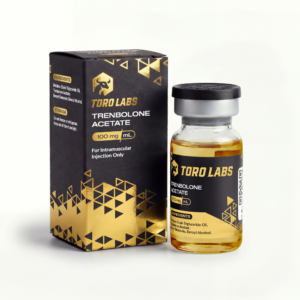
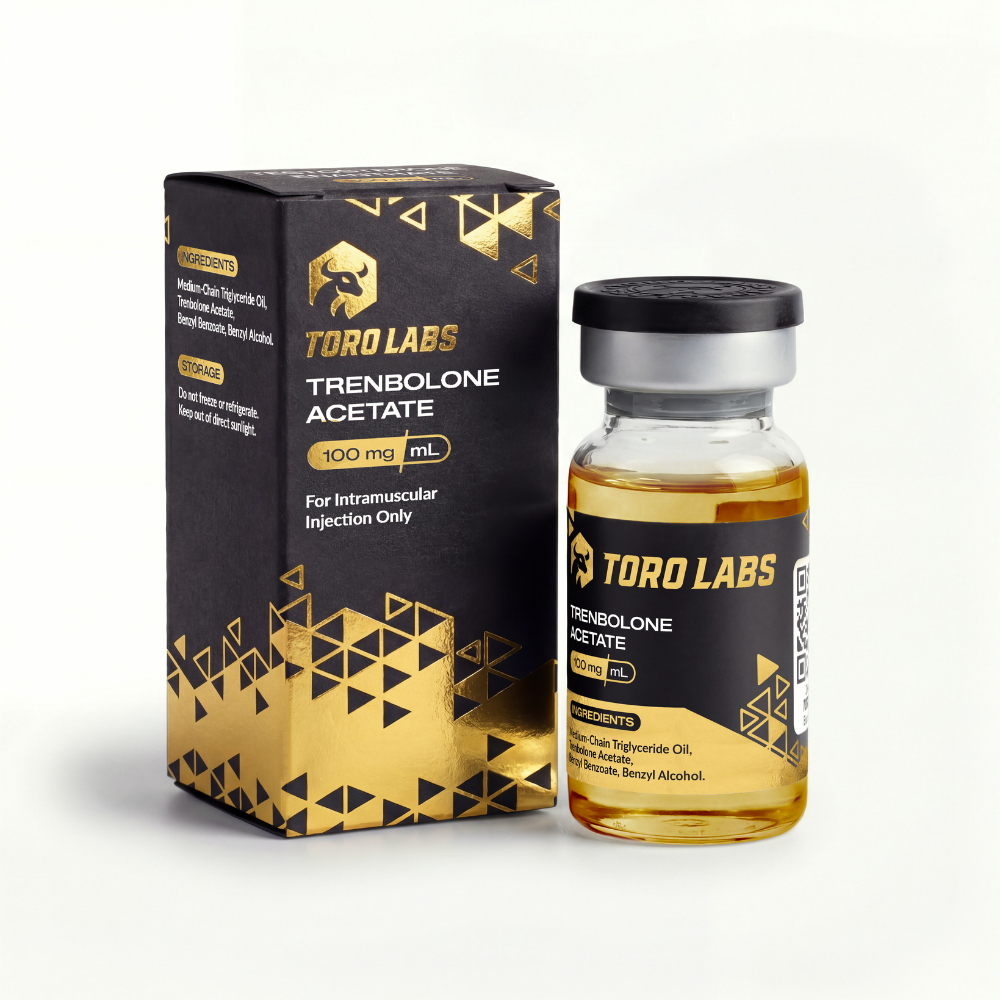
Trenbolone Acetate 100mg/ml Trenbolone Acetate 100mg/ml Trenbolone Acetate 100mg/ml
Historical Background
The development of Trenbolone dates back several decades. It was introduced for veterinary purposes and became known for its ability to influence growth and feed efficiency in livestock.
Unlike some anabolic steroids that have approved human medical indications in various countries, Trenbolone has generally not been approved for routine human therapeutic use. As a result, discussions surrounding the compound often focus on veterinary medicine, illicit performance enhancement, and public health concerns.
Regulatory agencies and sports organizations have closely monitored Trenbolone due to its classification as a prohibited performance-enhancing substance in competitive sports.
Mechanism of Action
Trenbolone interacts with androgen receptors, which are found in numerous tissues throughout the body.
Through receptor binding, anabolic steroids may influence:
- Protein synthesis pathways
- Nitrogen retention processes
- Muscle tissue metabolism
- Hormonal signaling mechanisms
- Cellular growth responses
The exact physiological effects depend on numerous factors, including dosage, duration of exposure, individual biology, and overall health status.
Understanding these mechanisms is important for healthcare professionals, researchers, and anti-doping organizations studying the effects of anabolic-androgenic steroids.
Trenbolone Acetate 100mg/ml Trenbolone Acetate 100mg/ml Trenbolone Acetate 100mg/ml
Potential Health Risks
The use of anabolic steroids without appropriate medical oversight can carry significant health risks. Healthcare authorities worldwide have highlighted concerns regarding the misuse of these compounds.
Potential risks associated with anabolic steroid exposure may include:
Cardiovascular Effects
Research has identified concerns regarding:
- Changes in cholesterol levels
- Elevated blood pressure
- Increased cardiovascular strain
- Potential impact on heart health
Hormonal Disruption
Anabolic steroids may affect the body’s natural hormone production and regulation systems, potentially leading to endocrine disturbances.
Liver and Organ Health
Certain anabolic compounds have been associated with adverse effects on organ function, depending on the specific substance and route of administration.
Psychological and Behavioral Effects
Some individuals may experience:
- Mood changes
- Irritability
- Increased aggression
- Emotional fluctuations
Reproductive System Effects
Hormonal imbalances associated with anabolic steroid exposure may affect reproductive function and fertility.
Because health risks can vary significantly between individuals, medical professionals emphasize the importance of avoiding non-prescribed anabolic steroid use.
Side Effects
Reported side effects associated with anabolic-androgenic steroids can vary widely.
Potential side effects may include:
- Acne
- Oily skin
- Hair loss in susceptible individuals
- Sleep disturbances
- Mood changes
- Hormonal imbalances
- Cardiovascular concerns
- Changes in cholesterol profiles
The severity and likelihood of side effects depend on multiple factors, including dosage, duration, genetics, age, and pre-existing health conditions.
Legal and Regulatory Considerations
The legal status of Trenbolone varies by country and jurisdiction.
Many nations regulate anabolic steroids through prescription drug laws, controlled substance legislation, veterinary regulations, or anti-doping frameworks. Competitive sports organizations generally prohibit the use of Trenbolone and other anabolic steroids due to their performance-enhancing potential.
Individuals should always consult applicable laws and regulations within their jurisdiction regarding possession, distribution, and use of regulated substances.
Trenbolone and Sports Doping
Organizations such as the World Anti-Doping Agency prohibit Trenbolone in competitive sports.
Athletes may be subject to testing programs designed to detect prohibited substances and their metabolites. Anti-doping regulations are intended to promote fair competition and protect athlete health.
Violations can result in sanctions, suspensions, disqualifications, and other disciplinary actions depending on the governing body involved.
Importance of Reliable Health Information
Accurate information plays an important role in helping individuals understand the potential risks and implications associated with anabolic steroids.
Healthcare professionals, pharmacists, researchers, and public health organizations encourage individuals to:
- Seek professional medical advice
- Verify information through reputable sources
- Understand legal requirements
- Consider potential health consequences
- Avoid self-medication with unregulated substances
Educational awareness can help support informed decision-making and reduce the risks associated with substance misuse.
Conclusion
Trenbolone Acetate 100mg/ml is a synthetic anabolic-androgenic steroid originally developed for veterinary applications. Its powerful anabolic and androgenic properties have made it a frequent topic in discussions involving sports doping, hormone pharmacology, and public health.
While researchers continue to study anabolic steroids and their effects, healthcare authorities emphasize the importance of understanding the potential risks associated with non-medical use. Individuals seeking information about hormone-related compounds should consult qualified healthcare professionals and rely on credible medical resources when evaluating health-related decisions.